Reimagining the culture and environment of a steampunk world
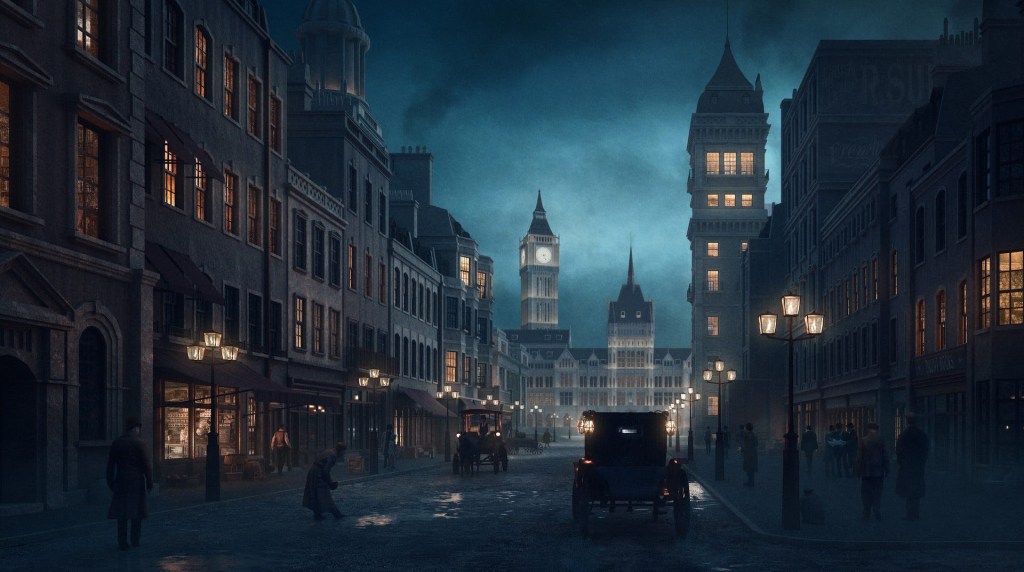
Long before climate change occupied our collective consciousness, this author worried about and fought against pollution. Most people today have forgotten that environmentalism and the fight for sustainability have been around for centuries and were a “big thing” in the late 1960s and 1970s. But it was even more difficult to get governments and corporations to listen in those days, and subsequent generations (and some of the same generation) regarded these older activist parents and grandparents as misguided hippie losers. If only everyone had listened back then, things might not be so bad now. Oh well. At least people are paying more attention—fifty years later.
However, my experiences with activism bleed into my fiction. Do not fear. You will not find me beating you over the head with politics, philosophy, or social commentary (well, not too much). That is not my style. My main goal with storytelling is to entertain. But I also plant seeds into my worlds and characters, ones that you may trample over without seeing, or see and discard, or that may make you ask, “What if the world were really like that?”
Rethinking the steampunk environment
Steampunk worlds are thrilling and wondrous, but they are often grubby and polluted due to their reliance on coal-based steam. This saddens me, as we already know that air pollution from fossil fuels is a killer.
According to the World Health Organization, 99% of the world’s population breathes polluted air. Air pollution kills 6.7 million people every year, 3.2 million of whom die from household air pollution. 91% of those premature deaths occur in low- and middle-income countries, with the greatest number in the WHO South-East Asia and Western Pacific regions. Air pollution is also damaging the health of our planet by driving climate change.
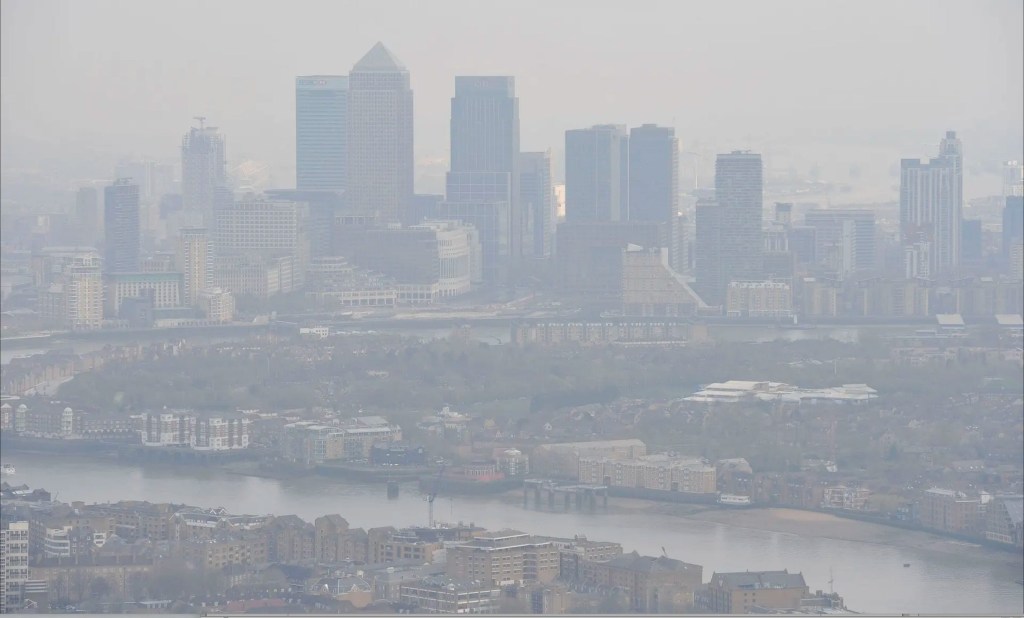
London is no stranger to the problem of air pollution. In the 1500s, Queen Elizabeth 1 complained about the coal smoke around the Palace of Westminster. In 1661, the diarist John Evelyn noted in his book “Fumifugium” that London was “so filled with the fuliginous steam of the sea-coal, that hardly can one see across the street, and this filling the lungs with its gross particles exceedingly obstructed the breast, so as one would scarcely breathe”.
By Victorian times, the problem was immense. London’s skies were murky with smoke and “pea-souper” fogs. Those too poor to avoid the worst of it paid with their health, particularly during two major pollution events – The Great Stink and The Great Smog.
The Great Stink occurred in 1858 when London experienced extremely hot weather. Human waste, dead animals, rotting food, and toxic raw materials from the riverside factories turned the River Thames into a reeking sewer. Cholera and typhoid fever ran rampant, and people hid indoors to avoid both the smell and the disease.
Eventually, Joseph Bazalgette designed and built 1,100 miles (1,800 km) of additional street sewers. His plans prevented human waste from being dumped on the shores of the Thames. The city also began a coordinated waste disposal system that reduced swarms of disease-spreading flies.
However, the fumes of London’s industry remained, and the infamous London “pea-soupers” regularly blanketed the city. These only worsened as more motor vehicles clogged the roads.
In December 1952, Londoners faced their second deadly challenge – The Great Smog. This poisonous fog crept into people’s homes through cracks and under the doors, with virtually zero visibility outside. It killed around 4,000 people in five days.
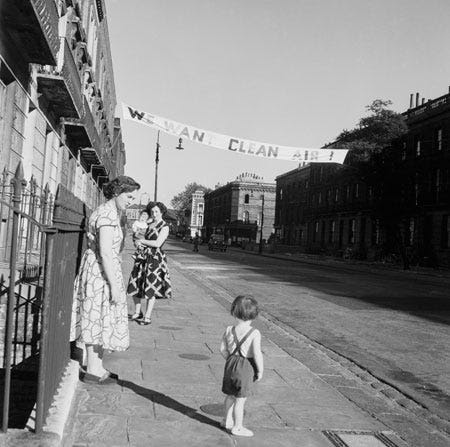
Over the ensuing months, another 8,000 more died from respiratory tract infections, from suffocation by pus arising from those infections, and from hypoxia. The ongoing death toll sparked an investigation, which eventually led to the Clean Air Act of 1956.
Perfection doesn’t exist
I also knew that the world I created couldn’t be perfect – nothing ever is. After all, we are merely human and, by definition, imperfect. We are always learning, although we do not always put what we learn into practice. Often, we choose what suits us, not what is best.
So, although New Londonium is a haven for free-thinkers, progressives, and intellectuals, it is not entirely class-free. Viola and her brother, Luther, are significantly poorer than Artemis and Parthena. Both “Fortitude” and “Courage” have biracial characters, some highly educated, and although none are subject to overt racism, they have encounters where racist ideas come to the fore.
Likewise, with the queer relationships. These are accepted but not always embraced in both Brittanian and Australisian society, so there are lingering tensions. Some characters are sure of their sexuality from an early age, others discover themselves later in life, and hearts get trampled on the way.
While it is tempting to create Utopias, I resist the urge. I want my imagined worlds to maintain a link with our current world and for my characters’ struggles to be relatable. I also do the same for dystopian worlds, though I am positive some would challenge me on that!
 Karen Bayly
Leave a comment