Tall tales and tall ships
On 21st June, Black Beacon Books will release The Black Beacon Book of Pirates anthology. Hidden treasure, ancient curses, mythical sea creatures, uncharted waters, and rip-roaring adventure across the seven seas — The Black Beacon Book of Pirates carries a clandestine cargo of timber-shivering, plank-walking, and swashbuckling goodies. It contains my story, Les Femmes Sauvages, and a host of other piratey tales.
Don’t forget to add it to your Goodreads “Want To Read” List.
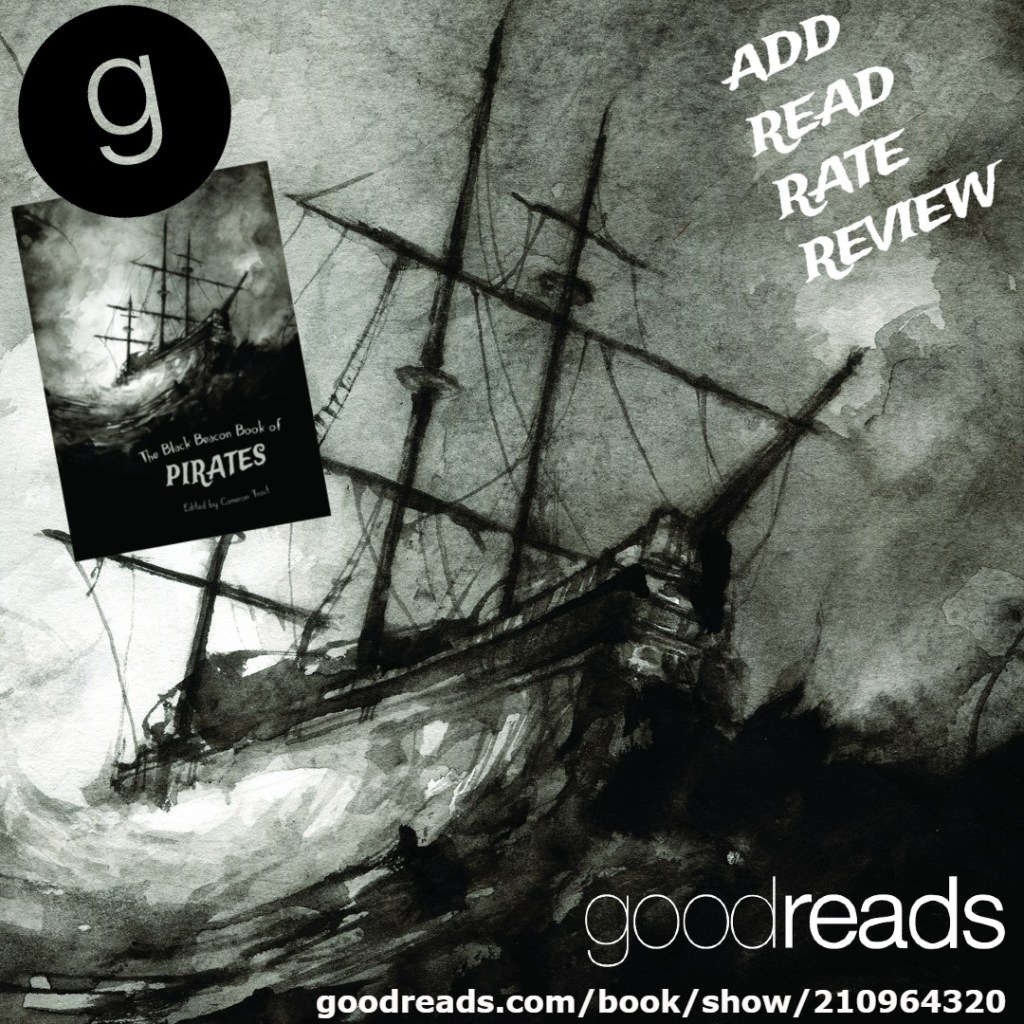
You can still pre-order at a discount here.
And I have an author interview you can read here!
While I loathe the beach (sand, surf, and beach goers bring out my inner axe murderer), I have long loved the the wide expanse of briny water upon which dedicated and slightly mad folk sail vessels deemed ‘sea-worthy’ (a shame no one ever told the ocean that).
I often wonder if this love is inherited. I have a few admirals and captains in my family history, and, despite rarely going any where near the coast as a child, one of my favourite poems was John Masefield’s Sea Fever.
“I must go down to the seas again, to the lonely sea and the sky,
And all I ask is a tall ship and a star to steer her by;
And the wheel’s kick and the wind’s song and the white sail’s shaking,
And a grey mist on the sea’s face, and a grey dawn breaking.”
For most of my childhood, the closest I came to sailing was the Manly Ferry. I didn’t put foot on a sailboat until I was in my late twenties and could rustle up the resources to learn to sail. And I did most of that on a Corsair dingy at the Budgewoi Sail Club (now sadly defunct). Its founder, Ashley Chapman, had the look of an old salt and a great love of all things sail-powered.
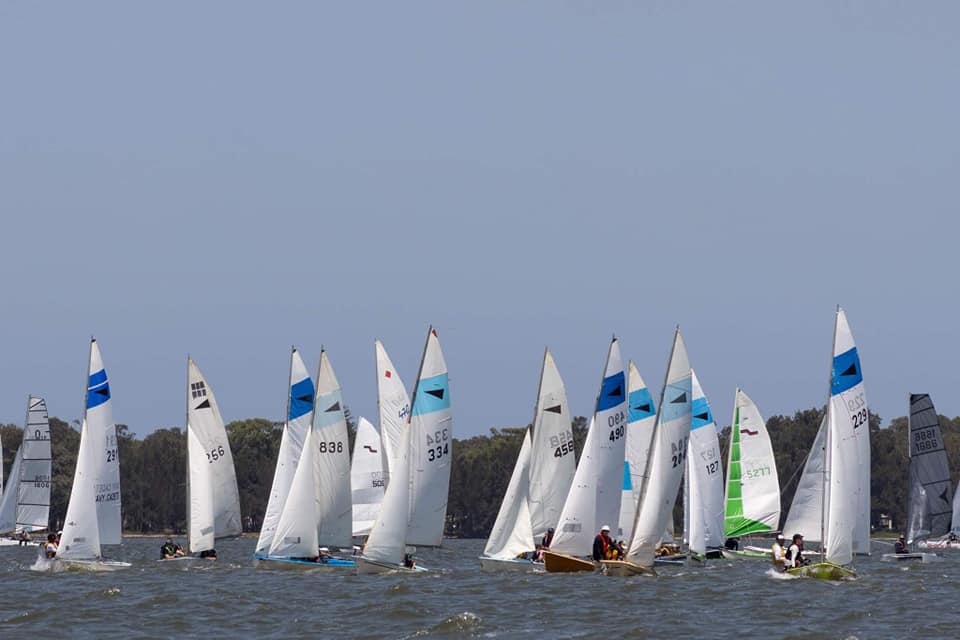
Ashley encouraged me to further my understanding and, aside from crewing in competitions, I progressed to ocean going yachts, completed qualifications in Radio, Seamanship and Coastal Navigation (navigating using map, compass and ruler). The latter is not as fun as it sounds. You are below deck madly doing calculations and shouting course corrections to the captain while one of the crew is shouting out that the boat has passed a navigation point upon which you check your timings and make further adjustments. Whew!
But the moments of hard work are well-compensated by the beauty of the ocean, especially at night, when the waters glow with bioluminescent sea life, and the stars are so clear they seem nearer than you thought possible.
Nowadays, I rarely sail. Boat ownership is a bit out of my league, and most racing crews want you every weekend. But I still love boats and being out on the ocean.
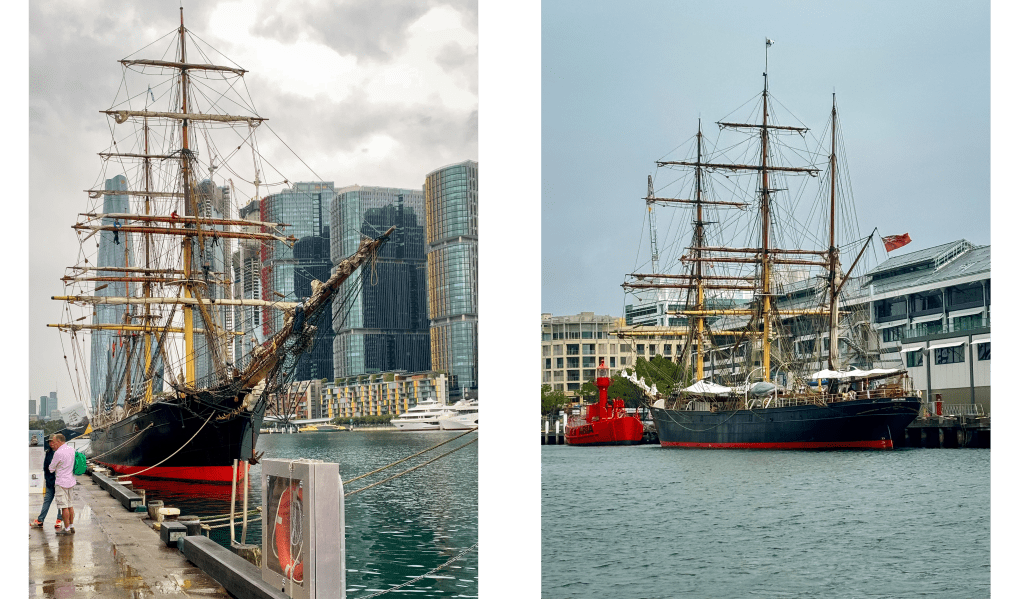
A few years ago, I became a member of the Sydney Heritage Fleet, a wonderful organisation of volunteers who restore heritage boats with little help from government and a lot of assistance from the general public. Most of their boats are steam-powered tugs and launches, which feeds my steampunk sensibilities. But SHF also restored an 1874 barque, a merchant vessel called the James Craig. This thoroughbred of a ship was almost scuppered three times in her 150 year life, but, luckily, fate intervened to preserve her for future generations.
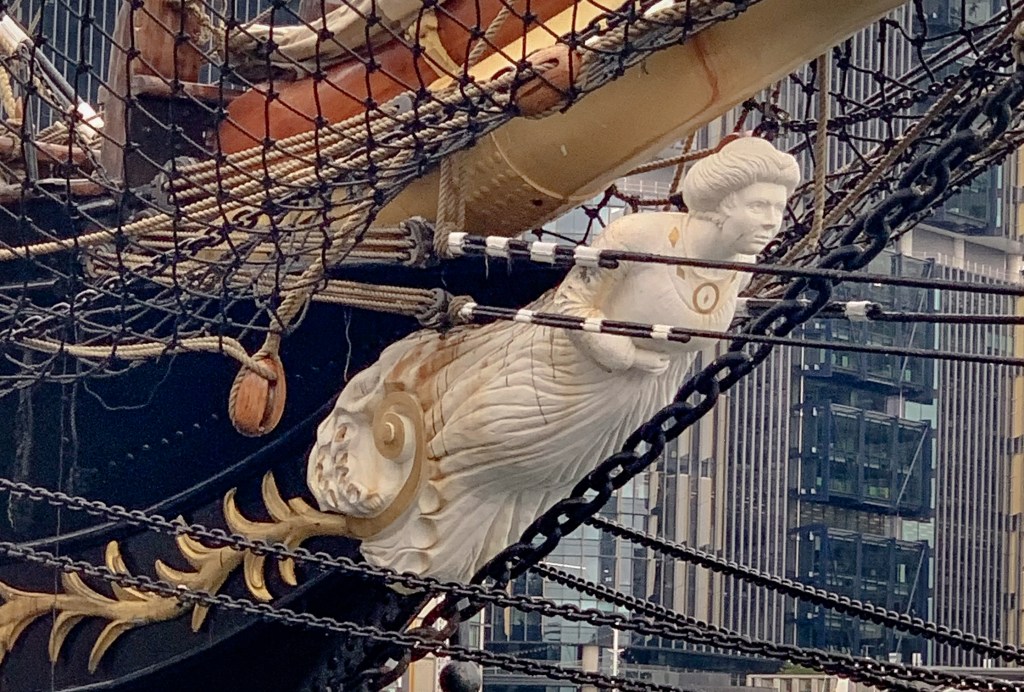
One of the many things I love about the Craig is her figurehead. These were usually of a design related to the name or role of a ship, and often fanciful figures (unicorns, mermaids, sea monsters) or people (warriors though the ages, comely lasses). However, the Craig’s figurehead is a prim looking Victorian woman. No one seems to know who she is modelled after, and some have proposed Queen Victoria (even though the hair is wrong. Puffy hair? We are not amused). There is also a story that the original figurehead was of a MacLeod chieftain, but photos from 1891 show a distinctly feminine figure under the prow.
I have another theory. The ship was commissioned by Thomas Dunlop of Glasgow and christened the Clan Macleod in 1987 by Mrs. Mary Boyd Macallum.
Mrs Macallum was the only woman to have shares in the ship, so my bet is that she is modelled on Mrs Macallum.
I have sailed on the James Craig, and did consider training to be a crew member. However, sailing a tall ship is extremely strenuous, and my knees, hips and shoulders tell me I’m a bit past it. Hauling sails on a tall ship, like writing, is not for the fainthearted. A ship like the Craig has three masts, up to 21 sails, 5000 metres of standing rigging and approximately 14500 metres of running rigging.

I have the utmost respect for those who crew, both present and past. It is a reminder that however glamorous and romantic the life of a sailor or pirate might sound, it was hard work, and, lacking modern safety standards, fraught with the possibility of serious injury or death. The James Craig appears to have been a well-run and safe ship, losing only one man overboard in her working history. Impressive, given she rounded Cape Horn a staggering 23 times, sustaining severe damage on a few occasions.
While I may not help sail her, I do volunteer as a guide when the ship is docked. If I do this for long enough, I may be invited to be a guide when she sails. But honestly, it is enough to be allowed on board, wander her decks and tell people about her history.
Until next time… may the seas lie smooth before you.
 Karen Bayly
Leave a comment