Trailblazing Women
In my latest novel, “Courage”, Artemis Devereaux stops over in Terra Australis, after flying her dirigible “Taygete” solo over much of the world. She had done similar journeys previously, but never solo, and I was determined she should fully spread wings after her journey toward independence in “Fortitude”.
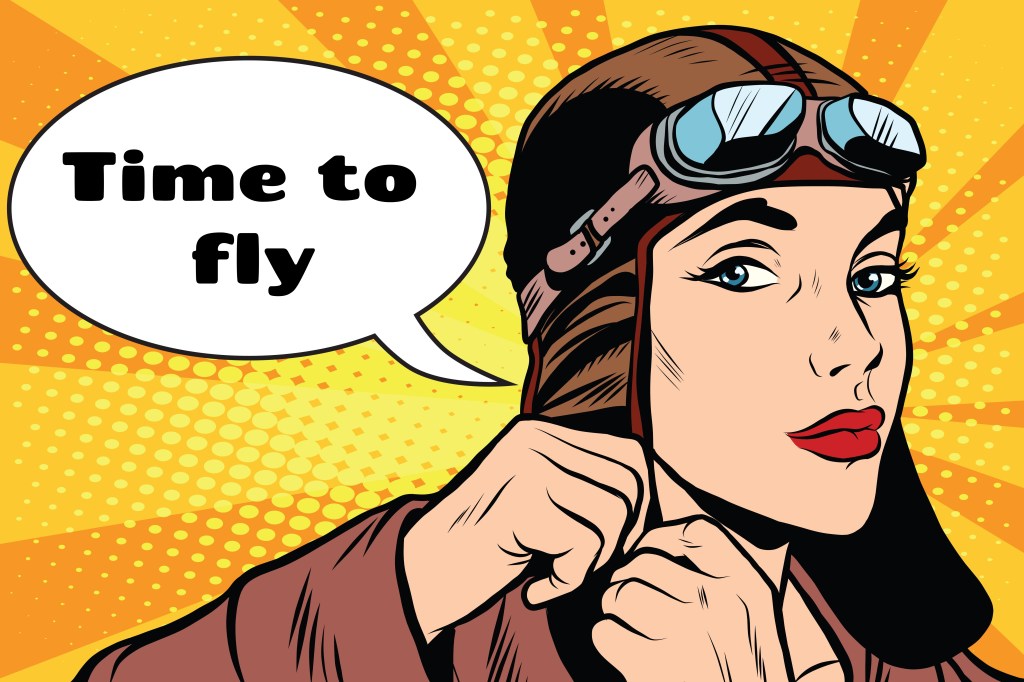
Like all authors, some of my characters’ dreams and skills stem from my own. I have wanted to learn to fly since my teens. However, the cost of flight tuition was more than I earned. Other avenues such as air force pilot weren’t open to women when I was young enough to take advantage of the opportunity. Now, I still can’t cover the cost of flight tuition, but even if I could, my failing eyesight might make things difficult.
Chuck Yeager was my first flying hero, and reading about him introduced me to several astounding female pilots. “The General” never seemed to care about the gender of a pilot, only how good they were. He supported many a female aviator, including the incredible Jackie Cochran, the first woman to break the sound barrier. Admittedly, she did it with Chuck flying beside her, so this was also the first time a man and woman broke the sound barrier together.
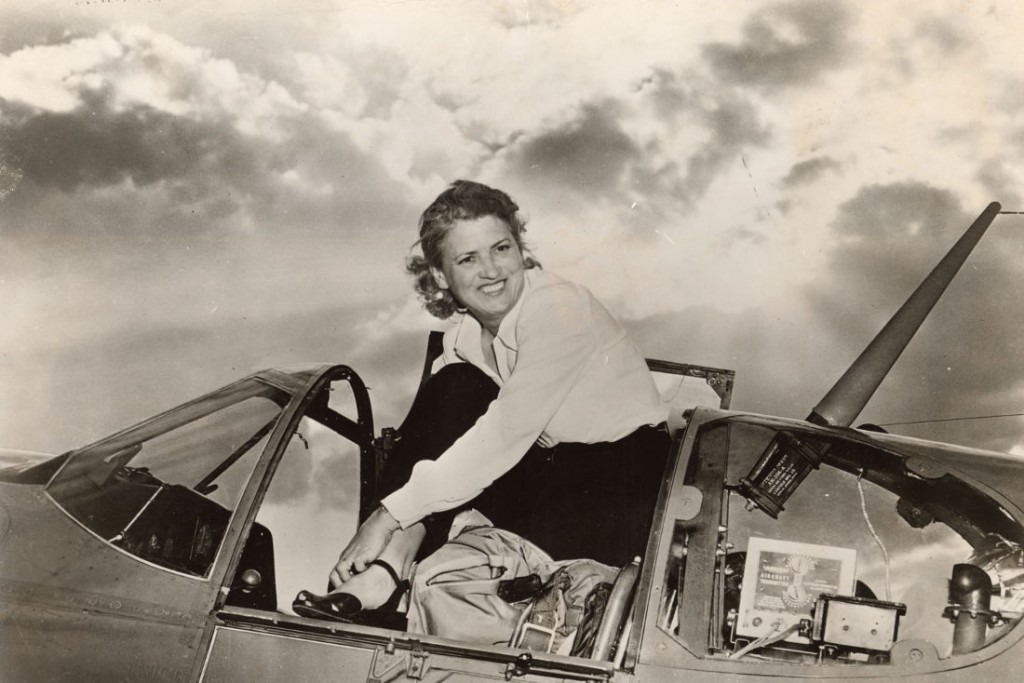
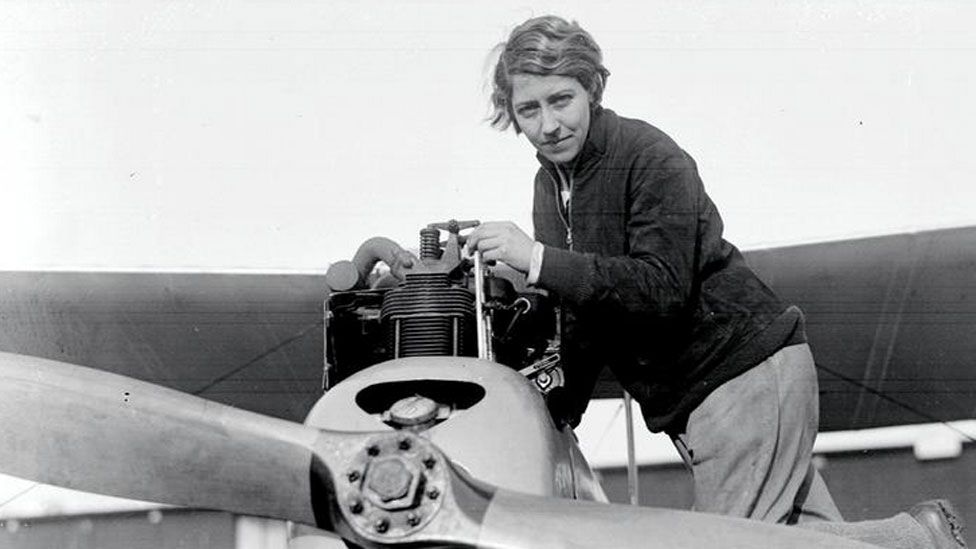
Through reading about Jackie Cochran, I learned of the amazing 166 female WW2 pilots in the British Air Transport Auxiliary (ATA). These women volunteered from Britain, Canada, Australia, New Zealand, South Africa, the United States, the Netherlands and Poland. Cochran started the US Women’s Air Force Service Pilots (WASP) after her stint in the ATA. Another of these pilots, Amy Johnson, had already achieved fame in 1930 as the first woman to fly solo from London to Australia.
However, women have been making a mark in breaking world travel records since before WW1. On November 14, 1889, Nellie Bly, a reporter for the New York World, embarked on a 25,000-mile journey around the world. Bly’s journey was inspired by the popular 1872 Jules Verne book “Around the World in Eighty Days.” If you don’t already know, many consider Verne as the godfather of steampunk.
Nellie Bly had already attained notoriety by going undercover as a patient at a New York City mental health asylum in 1887 and exposing its terrible conditions. Her reporting raised awareness about mental health treatment and led to improvements in institutional conditions. Her achievement was one of the first examples of the power of investigative journalism. Now she intended to travel by steamship and steam train, in a race against the fictional Phileas Fogg.
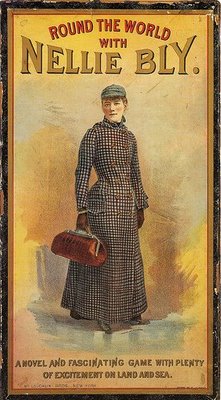
Bly’s journey quickly attracted interest from other news sources. Shortly after her ship departed New York on November 14th, John Brisben Walker, owner of Cosmopolitan magazine, hatched his own plan. He sent Elizabeth Bisland, one of his junior editors, to compete in a race around the world as a rival.
Bly won. In a world-record-breaking feat, she completed her trip in a mere 72 days. Along the way, she traveled through the USA, England, France (where she met Jules Verne in Amiens), the Suez Canal, Colombo, Penang, Singapore, Hong Kong, China, and Japan. However, Bly’s record was short-lived as businessman George Francis Train completed the journey in 67 days, breaking her record.
There was no flying in either Bly’s or Fogg’s journeys, but both epitomise the essence of Artemis’s own journey. Although she is not attempting to break any record, she is trying to break free of her past and her expectations.

 Karen Bayly
Leave a comment